David Ellison Takes Control of Paramount and Warner Bros.
The Skydance chief's dual acquisition creates one of Hollywood's largest entertainment empires, though significant industry challenges lie ahead.
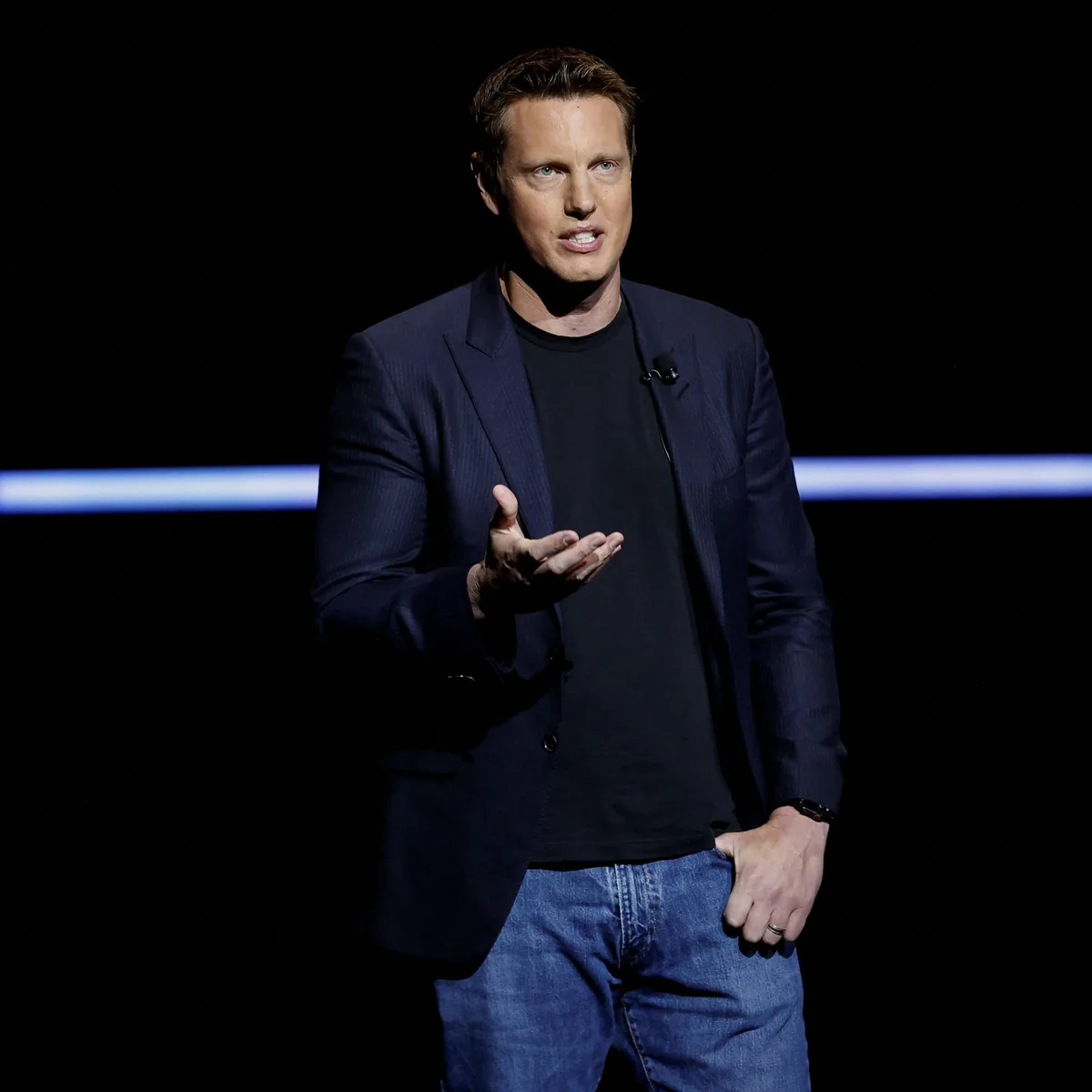
David Ellison, the chief executive of Skydance Media, is poised to become one of the most powerful figures in the entertainment industry after securing control of both Paramount Global and Warner Bros. Discovery, a consolidation that reshapes the competitive landscape of Hollywood at a time of profound disruption for legacy media companies.
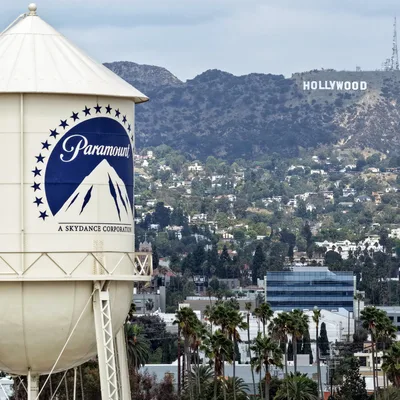
The dual acquisition hands Ellison dominion over two of the most storied studio brands in American film and television history. Paramount's library stretches back more than a century, while Warner Bros. carries decades of marquee franchises. Together, the combined entity would control an enormous catalog of intellectual property at a moment when streaming platforms have made content libraries central to competitive strategy.
Read more McDonald's Holds Investor Day Amid Domestic Sales Pressure →
Industry observers have described the scope of Ellison's consolidated power in sweeping terms, with one characterization casting him as the Hollywood equivalent of a figure combining the strength, authority and wealth of Superman, Caesar and Midas. The analogy underscores just how unusual it is for a single executive to command two major studios simultaneously in an era when even individual media giants have struggled to maintain market share against technology-driven competitors.
Despite the scale of the achievement, significant headwinds persist. Both Paramount and Warner Bros. have faced mounting pressure from the rise of streaming, declining linear television audiences and the high cost of content production. Integrating two large, complex organizations with distinct corporate cultures, talent relationships and distribution infrastructures presents operational risks that will test Ellison's leadership in the months and years ahead.
The consolidation reflects a broader trend of dealmaking across the media sector as traditional studios seek scale to compete with Netflix, Amazon and Apple. Whether Ellison can translate his expanded holdings into sustained financial performance and creative output remains an open question for investors and industry watchers alike. Continue reading at NYT > Business.